2026-10-22 ·
Preparing Your Boston Home For Spray Foam Removal
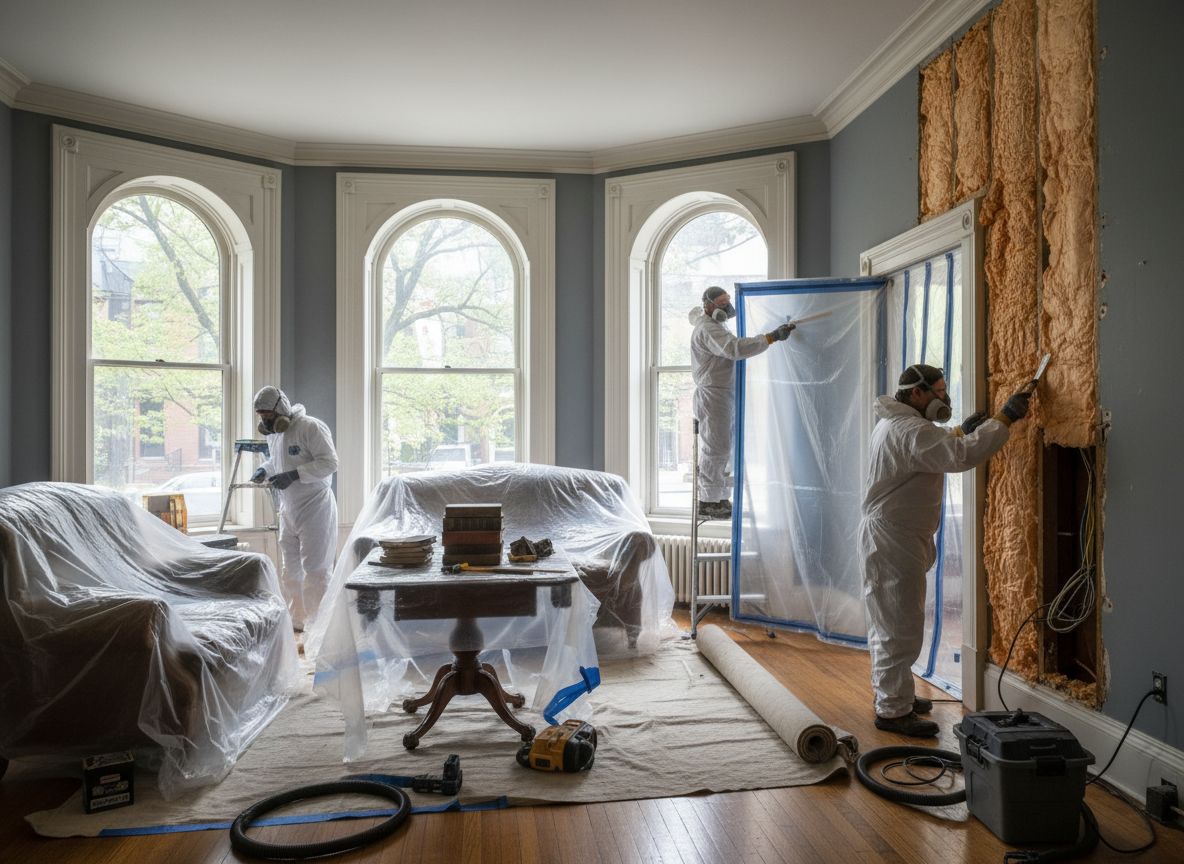
Boston homes often require targeted preparation before spray foam removal begins, especially in properties built before 1980 where insulation sits in lofts or between rafters. Start by clearing the loft or roof space of all stored items and confirming access points remain unobstructed for equipment. This initial step reduces delays once the crew arrives at your address in Boston PE21 6HE.
Assessing Insulation Condition First
An insulation assessment reveals whether the spray foam has adhered to timber, affected wiring or trapped moisture against the roof deck. Walk through the space yourself and note any soft spots in the ceiling below or musty smells that suggest damp. Older terraced houses along South Street and nearby streets frequently show these signs because original lath and plaster ceilings sit directly under the insulation layer. Photograph every area before work starts so you can compare conditions afterward. Homeowners in Boston and surrounding villages such as Kirton often discover hidden water damage only after this inspection. Schedule the assessment early so any necessary repairs can be planned around the removal timeline.
Protecting Floors and Access Routes
Dust and small foam fragments travel through hallways and stairwells during removal, so cover carpets and hard floors with heavy-duty sheeting taped at the seams. In Victorian terraces common throughout Boston Lincolnshire, narrow staircases make it essential to protect banisters and walls with temporary boarding. Move furniture at least 2 metres away from loft hatches and seal doorways with plastic sheeting to contain debris. These measures keep the rest of the house usable while work continues. Properties near the river in central Boston also contend with higher humidity that can make foam fragments stick more readily to surfaces, increasing the value of thorough floor protection.
Timing Work Around Local Weather Patterns
Lincolnshire weather can shift quickly, with autumn winds and winter rain affecting open roof spaces once insulation is removed. Plan the job for a dry forecast window so temporary coverings can be secured overnight if needed. Homes in exposed locations around Wrangle or along the Wash experience stronger gusts that can carry loose material, making extra sealing worthwhile. Check that gutters and downpipes remain clear beforehand because any pooled water near the eaves adds risk during the removal phase. Local operators familiar with Boston conditions schedule around these patterns to avoid extending the project.
Coordinating With Follow-On Trades
Once spray foam is gone, many Boston properties need new insulation or roof repairs before the space can be used again. Discuss the sequence with your removal team so the site is left ready for the next contractor. In older homes this often means allowing time for timber treatment or ventilation upgrades. Residents in Spalding and Sleaford who coordinate these steps in advance report smoother overall projects. Review the full scope on the residential spray foam removal page and the removing spray foam from older Boston properties guide for further local detail.
Final Checks Before Crew Arrival
Confirm all pets are secured away from the work zone and that parking is available near the property for the equipment van. Verify that electrical isolation has been arranged if wiring runs through the treated area. These last checks prevent interruptions once the team from 18 South St begins work. Homeowners who complete this list find the removal proceeds without unnecessary pauses, keeping the focus on restoring the property efficiently.