2026-10-22 ·
How Spray Foam Behaves In Lincolnshire Winters
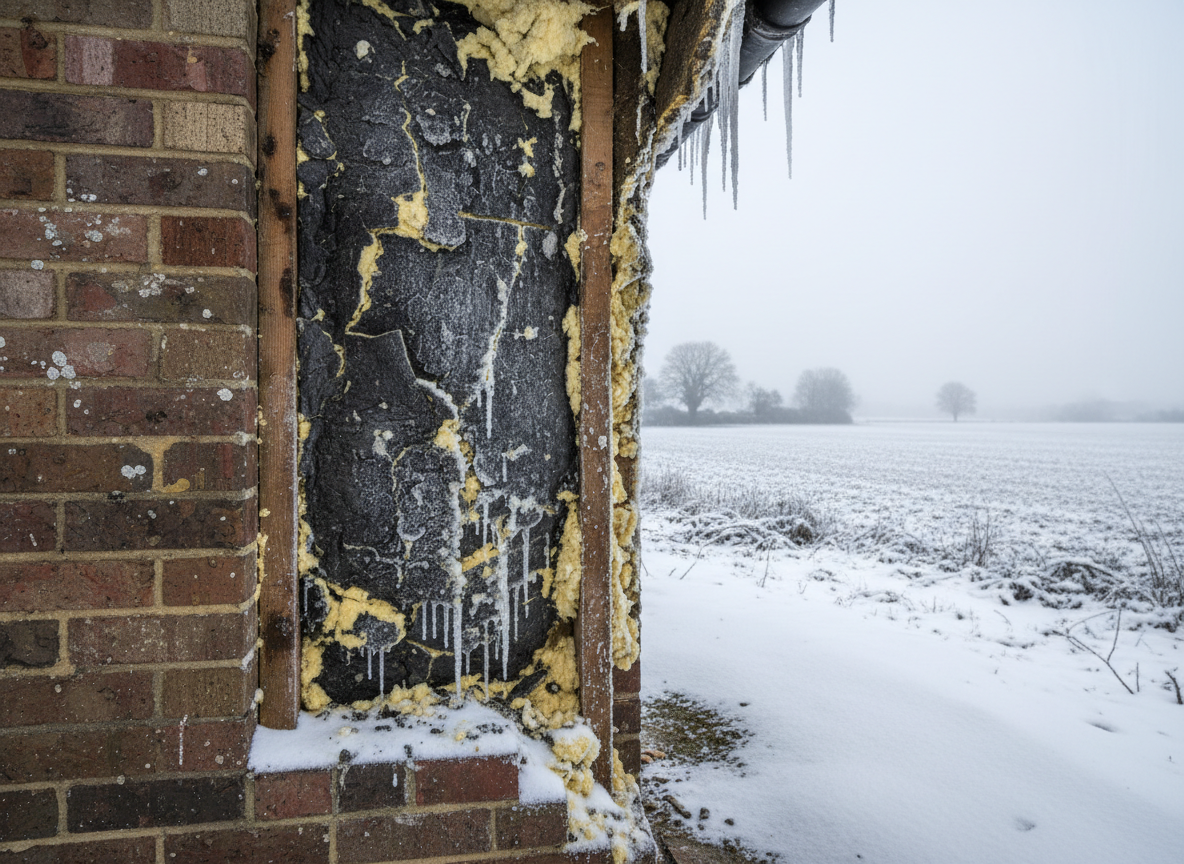
In Lincolnshire winters spray foam insulation contracts by up to 3 percent when overnight temperatures drop below 0°C for several weeks, creating visible gaps and reduced adhesion along rafters in Boston properties. This physical response begins as early as late November and continues through March, with repeated cycles accelerating material fatigue in both open-cell and closed-cell products.
Temperature Swings and Contraction Stress
Lincolnshire experiences frequent swings between daytime 5°C and nighttime -3°C during December to February. Spray foam loses flexibility in these conditions, pulling away from timber in lofts of Victorian terraces common along South Street and in Kirton. The resulting fissures allow cold air to bypass the insulation layer entirely, raising heating costs for homeowners. Older properties with uneven rafter spacing see the worst separation because the foam cannot accommodate differential movement. Residents in Spalding and Holbeach report similar patterns after two or three consecutive frost nights.
Freeze-Thaw Cycles and Moisture Ingress
Repeated freeze-thaw action in the Boston area forces water into any new gaps, then expands it into ice that further widens cracks. Flat fenland terrain around Wrangle and Donington keeps humidity high, so condensation forms on the underside of the foam even after the temperature rises. Over weeks this trapped moisture reaches joists and felt, promoting rot that only becomes obvious once spring arrives. Properties near the Haven river suffer additional damp because prevailing easterly winds drive rain under tiles already compromised by foam movement.
Effects on Older Boston Housing Stock
Many homes built before 1930 in central Boston still carry original roof timbers that were never designed for modern insulation thicknesses. When spray foam is applied directly to these rafters it locks in any existing damp, then winter contraction pulls the material away and exposes the timber again. Removing Spray Foam From Older Boston Properties explains the extra care needed around fragile lath and plaster ceilings typical of these buildings. The same cycle repeats each year until the foam is fully removed and replaced with breathable alternatives.
Practical Indicators Homeowners Notice
Boston householders first notice colder bedrooms or higher energy bills after the January cold snap. White crystalline deposits on loft timbers or dark staining along ceiling joints signal that moisture has migrated behind the foam. In more advanced cases, small pieces of foam flake off during inspection because the material has become brittle from repeated freezing. Checking these signs before March allows time to schedule work before the next heating season.
Planning Removal Around Winter Conditions
Loft spray foam removal crews working from the 18 South St base operate 24/7 and can start same-day assessments when frost damage is reported. Dry ice blasting spray foam removal remains effective even when temperatures sit near 2°C because the process does not rely on ambient warmth. Homeowners in Sleaford and Skegness often combine removal with new ventilation upgrades to prevent the same winter issues recurring. Disposal Rules For Spray Foam Waste In Lincolnshire set out the paperwork required before any material leaves site.